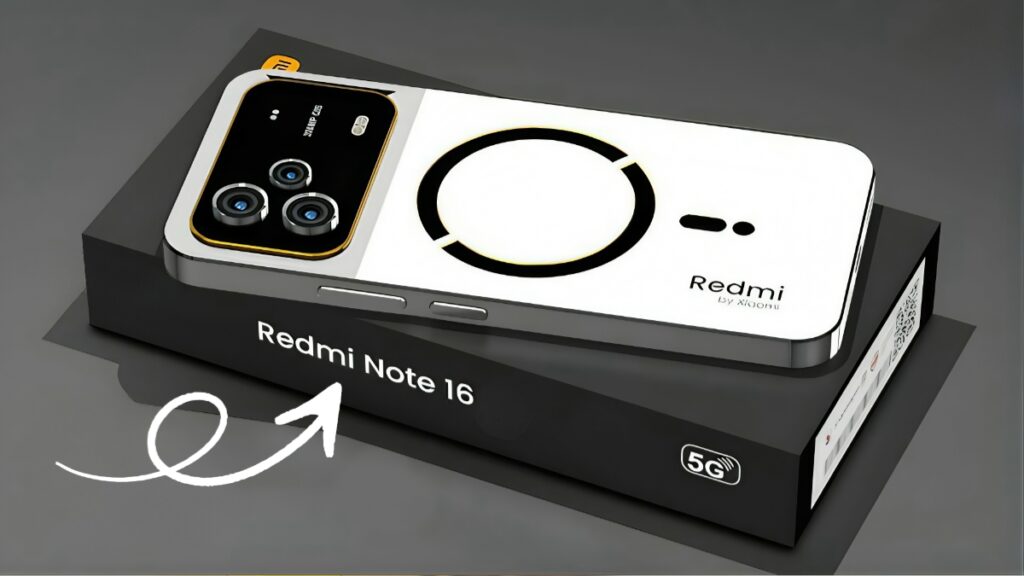
Redmi Note 16 5G: The launch of the Redmi Note 16 5G signals another calculated move by in India’s fiercely competitive smartphone market. Over the past decade, the Redmi Note series has quietly reshaped what Indian buyers expect from mid-range phones decent performance, dependable battery life, and displays that no longer feel like compromises. With 5G networks expanding beyond metro cities, timing matters as much as specifications, and Xiaomi appears keenly aware of that shift.
The Redmi Note 16 5G enters a segment crowded with promises but short on consistency. Buyers today are no longer impressed by spec sheets alone; they look for phones that can survive long commutes, heavy app usage, and years of software updates. Against that backdrop, this launch is less about headline-grabbing innovation and more about refinement. Xiaomi’s challenge is simple but tough deliver familiarity without boredom, and upgrades without pushing prices into uncomfortable territory.
Why the Redmi Note 16 5G Matters in 2026’s Smartphone Landscape
The Indian smartphone market has matured rapidly. Where earlier buyers upgraded every year, many now hold on to their phones for three or even four years. This change has forced brands to rethink durability, software stability, and everyday usability. The Redmi Note 16 5G is clearly designed with this longer ownership cycle in mind, focusing on balanced performance rather than chasing experimental features that rarely age well.
Industry analysts note that mid-range phones are increasingly cannibalising entry-level flagships. “Consumers want reliability, not novelty,” says technology consultant Rohan Mehta. “A phone like the Redmi Note 16 5G reflects this mindset it offers modern essentials like 5G and a high refresh-rate display, without pushing users into premium pricing brackets.” This approach could help Xiaomi retain its strong foothold among value-conscious Indian buyers.

Display and Design: Subtle Changes with Everyday Impact
The 6.67-inch AMOLED display on the Redmi Note 16 5G may not sound revolutionary, but its real-world impact is immediate. The 120Hz refresh rate adds a smoothness that becomes hard to give up once experienced. Scrolling through news apps, switching between messaging platforms, or simply browsing social media feels noticeably more fluid, which matters during prolonged daily use.
Design-wise, Xiaomi has avoided flashy experiments. The phone’s clean lines and restrained finish suggest a device built for longevity rather than momentary appeal. The subtle texture on the rear panel helps with grip and keeps fingerprints at bay a small detail, but one that frequent users appreciate. Despite its large display, the phone remains comfortable to hold, striking a balance between screen real estate and ergonomics.
Performance and Software: Built for Daily Indian Use
At its core, the Redmi Note 16 5G focuses on dependable performance. The mid-range chipset is tuned for efficiency, ensuring smooth multitasking across common apps such as WhatsApp, YouTube, and banking platforms. For most users, the phone feels responsive, even during longer sessions of browsing or video streaming.

Xiaomi’s software layer continues to evolve, becoming cleaner and less intrusive than earlier iterations. Useful features are integrated without overwhelming the user, and system navigation feels intuitive even for those upgrading from older Android devices. Casual gaming runs without hiccups, though power users may notice limitations with graphically demanding titles. Still, for its intended audience, the performance balance feels deliberate and practical.
Cameras That Focus on Practical Photography
Camera expectations in the mid-range segment have changed significantly. The Redmi Note 16 5G’s camera setup prioritises consistency over gimmicks. In good lighting, the primary sensor delivers sharp images with natural colours, making it suitable for everyday photography from family gatherings to quick street shots.
Low-light performance is respectable, aided by software optimisation rather than aggressive processing. While it may not rival premium flagships, the results are usable and social-media ready. The front camera, meanwhile, handles video calls and selfies with clarity, avoiding excessive smoothing. For users who document daily life rather than chase cinematic perfection, the camera system does its job quietly and reliably.

Battery Life, Charging, and the Value Equation
Battery anxiety remains a major concern for Indian users, particularly those who travel long distances or rely on mobile data throughout the day. The Redmi Note 16 5G addresses this with a large battery that comfortably lasts a full day under mixed usage. Streaming, navigation, and messaging can coexist without constantly searching for a power outlet.
Fast charging support further strengthens its appeal, especially for professionals and students on tight schedules. Compared to earlier Redmi Note models, the improvements may seem incremental, but collectively they add up. “It’s about reducing friction,” notes Mehta. “A phone that charges quickly and lasts longer reduces daily stress, which is often undervalued in spec comparisons.”
How It Stacks Up Against Past Redmi Note Generations
Compared to earlier entries in the Redmi Note series, the Note 16 5G feels like a refinement rather than a reinvention. Previous models introduced bold upgrades in isolation, but this generation focuses on harmony between components. The jump to a smoother display, combined with stable software and reliable battery life, reflects lessons learned from user feedback.

This strategy may also shape Xiaomi’s roadmap going forward. As competition intensifies from brands offering aggressive pricing, Xiaomi appears to be betting on trust built over years of consistent delivery. If the Note 16 5G performs well in the market, it could reinforce the idea that thoughtful upgrades matter more than flashy marketing claims.
What Comes Next for Buyers and the Market
The Redmi Note 16 5G is unlikely to disrupt the market overnight, but it strengthens Xiaomi’s position in a crucial segment. For buyers upgrading from older 4G devices, it offers a smooth entry into the 5G era without unnecessary complexity. For competitors, it sets a benchmark for balance rather than excess.
Looking ahead, analysts expect further refinement in software support and ecosystem integration. As users demand longer device lifespans, brands that prioritise stability and service may gain an edge. The Note 16 5G suggests Xiaomi understands this shift, positioning the phone as a reliable companion rather than a short-term upgrade.
Disclaimer: This article is intended for informational purposes only. Specifications, features, pricing, and availability of the Redmi Note 16 5G may vary by region and are subject to change without notice. Readers are advised to verify details with official sources or authorised retailers before making purchasing decisions.